Dry, irritated eyes can affect every aspect of daily life. Whether you’re struggling with burning sensations while working at the computer, constantly reaching for eye drops, or experiencing blurred vision throughout the day, dry eye syndrome is a condition that should not be ignored.
Millions of people in the UK experience dry eye symptoms, yet many continue to suffer without understanding the underlying cause. Fortunately, modern eye care has advanced significantly, with new treatments such as IPL dry eye therapy providing relief for patients who have found limited success with traditional treatments.
In this guide, we’ll explore the causes of dry eyes, available treatments, prevention strategies, and how innovative IPL therapy is changing how opticians treat this common condition.
What Is Dry Eye Syndrome?
Dry eye syndrome occurs when your eyes either:
- Do not produce enough tears
- Produce poor-quality tears
- Experience tears that evaporate too quickly
Tears are essential for maintaining healthy vision and comfortable eyes. They lubricate the eye’s surface, wash away any debris, and help protect against infection. When the tear film becomes unstable, symptoms can range from mild irritation to significant discomfort and visual disturbances. According to the NHS, dry eyes are very common and can usually be managed well with the right treatment once the underlying cause is identified.
According to eye care specialists, one of the most common causes of dry eye syndrome is dysfunction of the meibomian glands – tiny oil-producing glands located along the eyelids that help prevent tears from evaporating too quickly.
Common Symptoms of Dry Eye Syndrome
Symptoms can vary from person to person, but often include:
- Burning or stinging eyes
- Gritty or sandy sensations
- Redness
- Itchiness
- Excessive watering
- Blurred or fluctuating vision
- Light sensitivity
- Eye fatigue
- Difficulty wearing contact lenses
- Mucus around the eyes
Many people are surprised to learn that watery eyes can actually be a symptom of dry eye syndrome. When the eyes become irritated due to dryness, they may overproduce reflex tears that do not provide long-lasting lubrication.
What Causes Dry Eyes?
Understanding the causes of dry eyes is essential for finding the most effective treatment.
Meibomian Gland Dysfunction (MGD)
Meibomian Gland Dysfunction, or MGD, is considered the leading cause of dry eye syndrome. The meibomian glands produce oil that forms the outer layer of the tear film. When these glands become blocked or stop functioning properly, tears evaporate much more quickly.
Common contributors include ageing, hormonal changes, rosacea, blepharitis, and poor eyelid hygiene.
Digital Eye Strain
Modern lifestyles mean many of us spend hours looking at screens every day. When using computers, tablets, or smartphones, blink rates can decrease by up to 60%, reducing tear distribution across the eye’s surface. This is why dry eye syndrome is often worse during work hours.
For more information about digital eye strain, read our guide here.
Ageing
Natural tear production typically decreases with age. Dry eye syndrome becomes increasingly common in people over 50 and is particularly prevalent among post-menopausal women.
Contact Lens Wear
Contact lenses can disrupt the tear film and increase tear evaporation. Long-term contact lens wearers may be more likely to experience dry eye syndrome.
Environmental Factors
External factors frequently contribute to dry eye symptoms, including air conditioning, central heating, wind, smoke, pollution, and low-humidity environments.
Medical Conditions
Certain health conditions can increase the risk of dry eye syndrome, including:
- Diabetes
- Thyroid disorder
- Rheumatoid arthritis
- Sjögren’s syndrome
- Rosacea
Medications
Some medications can reduce tear production, including:
- Antihistamines
- Antidepressants
- Blood pressure medication
- Hormonal treatments
- Acne medications
How Is Dry Eye Diagnosed?
A professional dry eye assessment is often the best way to identify the underlying cause of symptoms. At D.I. Blow Opticians, specialist dry eye assessments can help determine whether symptoms are linked to:
- Tear deficiency
- Excessive tear evaporation
- Meibomian Gland Dysfunction
- Eyelid inflammation
- Environmental factors
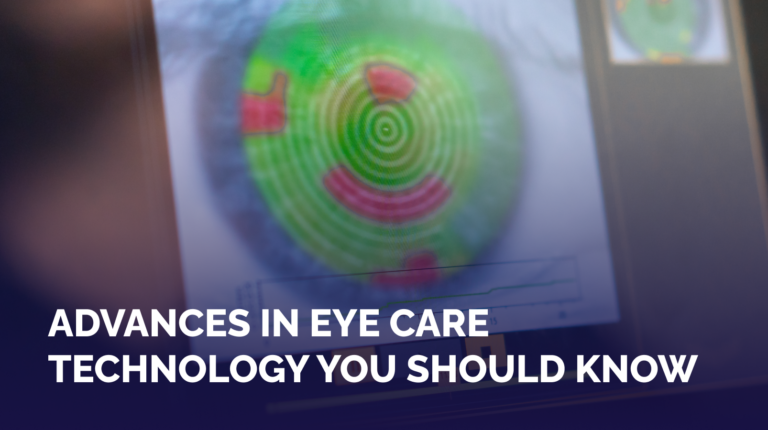
Modern imaging technologies can also assess meibomian gland health and identify issues that may not be visible during a standard eye examination. The College of Optometrists’ patient guidance, Look After Your Eyes, has further background on dry eye if you’d like to read more before your appointment.
Traditional Dry Eye Treatments
Treatment recommendations depend on the underlying causes and severity of symptoms.
Artificial Tears
Lubricating eye drops, or artificial tears, remain one of the most common dry eye treatments. These provide temporary relief by supplementing natural tears.
Warm Compresses
Applying gentle heat to the eyelids can help soften oils within blocked meibomian glands. This is often recommended for patients with evaporative dry eye.
Eyelid Hygiene
Regular cleaning of the eyelid margins can reduce inflammation and improve gland function.
Omega-3 Supplements
Some patients find dietary changes and omega-3 supplementation beneficial for supporting tear quality.
Environmental Modifications
Simple changes can significantly reduce symptoms, such as using humidifiers, taking screen breaks, increasing hydration, and avoiding direct airflow from fans or heating systems.
IPL Dry Eye Therapy: A Revolutionary Treatment For Dry Eye
One of the most exciting developments in dry eye treatment is Intense Pulsed Light (IPL) therapy. Unlike traditional treatments that primarily focus on managing symptoms, IPL aims to address one of the most common underlying causes of dry eye: Meibomian Gland Dysfunction (MGD).
At D.I. Blow Opticians, IPL therapy is now available at select practices, providing patients with access to a clinically proven treatment option that improves long-term comfort and vision quality.
What Is IPL Dry Eye Therapy?
IPL stands for Intense Pulsed Light. Originally developed for dermatology treatments, IPL uses carefully controlled pulses of broad-spectrum light to target inflammation and improve meibomian gland dysfunction.
How Does IPL Treat Dry Eye?
The treatment works through several mechanisms:
Unblocking Meibomian Glands:
The gentle heat generated by IPL helps liquefy thickened oils trapped within blocked glands, allowing them to function more effectively.
Reducing Inflammation:
Inflammation plays a major role in dry eye disease. IPL can reduce inflammatory blood vessels around the eyelids, helping to create a healthier environment for tear production.
Improved Tear Film Stability:
By restoring healthier oil production, IPL helps reduce tear evaporation and improve tear film quality.
Reduced Bacterial Load:
IPL may also reduce bacteria and microscopic organisms that contribute to eyelid inflammation and gland dysfunction.
What Happens During IPL Treatment?
Many patients are pleasantly surprised by how straightforward the procedure is.
A typical appointment may involve:
- A detailed dry eye assessment
- Cleansing of the treatment area
- Protective eye shields
- A series of gentle light pulses is applied around the eyelids
- Post-treatment guidance
The treatment itself is usually completed within minutes and does not require surgery or significant recovery time. Most treatment plans involve multiple sessions spread over several weeks to achieve optimal results.
Does IPL Dry Eye Therapy Work?
This is often the first question patients ask. The evidence continues to grow.
Recent systematic reviews have found that IPL therapy can produce clinically meaningful improvements in dry eye symptoms, particularly for patients with meibomian gland dysfunction.
Importantly, IPL is not simply masking symptoms. The treatment targets gland function and inflammation, helping improve the quality of tears being produced. However, like any treatment, results vary between individuals. Some patients notice significant improvements after a few sessions, whilst others may require ongoing maintenance treatments.
Who Is A Good Candidate For IPL?
IPL dry eye therapy may be suitable for people who:
- Have chronic dry eye symptoms
- Have Meibomian Gland Dysfunction (MGD)
- Experience frequent irritation despite using eye drops
- Have ocular rosacea
- Want a longer-term treatment option
A professional assessment is the best way to determine whether IPL is appropriate for your specific condition.
Are There Any Risks Or Side Effects?
IPL is generally considered safe when performed by trained professionals using specialist equipment.
Temporary side effects may include:
- Mild redness
- Slight swelling
- Temporary skin sensitivity
Most side effects are short-lived and resolve quickly.
FAQs
What Causes Dry Eye Syndrome?
Dry eye syndrome most commonly develops due to Meibomian Gland Dysfunction (MGD), where the oil-producing glands along the eyelids become blocked and tears evaporate too quickly. Other common contributors include digital screen use, ageing, contact lens wear, environmental factors like air conditioning and low humidity, certain medical conditions such as diabetes and rosacea, and some medications including antihistamines and antidepressants.
What Are The Symptoms Of Dry Eye Syndrome?
Common symptoms include burning or stinging eyes, a gritty or sandy sensation, redness, itchiness, excessive watering, blurred or fluctuating vision, light sensitivity, and difficulty wearing contact lenses. Watery eyes can actually be a sign of dry eye syndrome, as irritated eyes may overproduce reflex tears that don’t provide lasting lubrication.
How Is Dry Eye Syndrome Diagnosed?
A professional dry eye assessment helps identify whether symptoms are linked to tear deficiency, excessive tear evaporation, Meibomian Gland Dysfunction, eyelid inflammation, or environmental factors. At D.I. Blow Opticians, specialist dry eye assessments use modern imaging technology to assess meibomian gland health that isn’t always visible during a standard eye exam.
What Is IPL Dry Eye Therapy And How Does It Help?
IPL (Intense Pulsed Light) therapy uses controlled pulses of light to target inflammation and improve Meibomian Gland Dysfunction, the leading cause of dry eye. It works by helping unblock the meibomian glands, reducing inflammation, and improving tear film stability, addressing the underlying cause rather than just masking symptoms.
Can Dry Eye Syndrome Be Cured?
For many people, dry eye syndrome is a manageable, ongoing condition rather than one that’s permanently ‘cured’, though treatments like IPL therapy can produce significant, longer-lasting improvement by treating the underlying gland dysfunction rather than just the symptoms. Ongoing habits like good eyelid hygiene and reducing screen time can also help keep symptoms under control.
If you’re experiencing symptoms of dry eye syndrome, a specialist assessment at D.I. Blow Opticians can help identify the underlying cause and determine whether treatments such as IPL therapy could help restore comfort, vision quality, and eye health. Book an appointment with your local practice to get started.