The UK hay fever season runs from spring through to autumn, roughly March to September, and affects nearly 18 million people — around 1 in 5 of us. As spring blooms, many people, especially those with eye allergies, experience the discomfort of hay fever. This blog explores the impact of hay fever on eye health and provides practical tips for managing symptoms and protecting vision.
Understanding Hay Fever’s Impact On Eyes
Hay fever, also known as allergic rhinitis, is triggered by pollen, dust mites, and pet hair. These allergens can cause allergic conjunctivitis, an inflammation of the conjunctiva (the membrane covering the white part of your eye and the inside of your eyelids).
Common symptoms include:
- Itching: A persistent, uncomfortable sensation that makes you want to rub your eyes — caused both by pollen landing in the eyes and by the release of histamine, which irritates nerve endings.
- Redness: The inflammation and dilation of blood vessels in the eyes as they try to fight off the irritant.
- Watering: Excessive tearing as the eyes attempt to wash away allergens, which can also blur your vision.
- Grittiness: A feeling of sand or grit in the eyes, which can be particularly irritating.
Can Hay Fever Affect Your Vision?
Alongside these symptoms, hay fever can have a more direct impact on your vision:
- Eye fatigue: Itching of the eyes and rubbing can lead to strain and eye fatigue.
- Blurred vision: Swelling and inflammation in and around the eyes can lead to blurry vision.
- Double vision: Hay fever can occasionally cause the eye muscles to weaken, leading to double vision.
- Decreased visual acuity: In extreme cases, hay fever allergies can lead to decreased visual acuity or temporary vision loss.
Managing Symptoms
To alleviate the symptoms of hay fever and protect your eye health, consider the following:
Minimise Allergen Exposure:
- Stay Indoors: On days with high pollen counts, try to stay indoors as much as possible, especially during the early morning and late afternoon when pollen levels are typically highest.
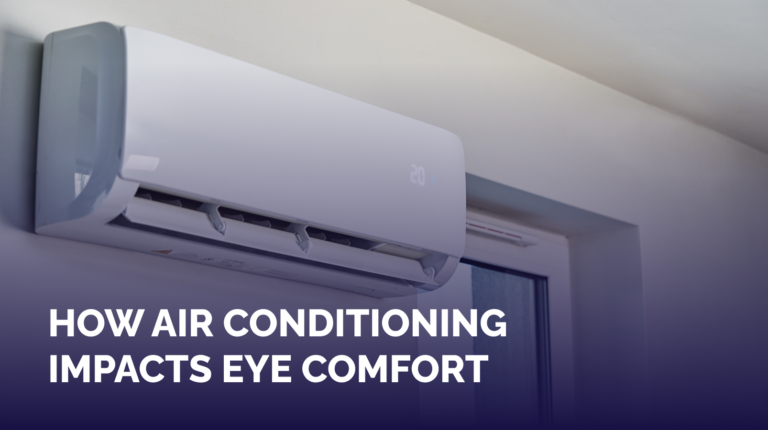
- Use Air Conditioning: Keep windows closed and use air conditioning to filter out pollen and other allergens.
- Clean Regularly: Vacuum and dust your home frequently to remove allergens. Consider using a vacuum with a HEPA filter.
Medications:
- Antihistamines: These medications can help reduce the body’s reaction to allergens. They are available in both oral and eye drop forms.
- Decongestants: These can help reduce redness and swelling in the eyes, but should be used with caution and not for extended periods.
- Anti-allergy eye drops: These target the site of inflammation directly. Make sure to check if the eye drops are compatible with contact lenses.
- Mast cell stabiliser eye drops: These prevent the allergic reaction and the release of histamine, treating the symptoms before they start.
- Steroid eye drops: Best used in severe cases and only available on prescription, these are powerful anti-inflammatories — but come with the risk of side effects such as damaging the cornea, glaucoma, and cataracts, so should only be used under professional guidance.
- Cold Compresses: Applying a cold, damp cloth to your closed eyes can help reduce inflammation and soothe itching. Do this several times a day for relief.
Protecting Your Eyes
In addition to managing symptoms, take proactive steps to protect your eyes from further irritation:
- Avoid Rubbing Your Eyes: Rubbing can worsen symptoms by spreading allergens and causing additional irritation. It can also lead to the release of more histamines, worsening the allergic response.
- Wear Sunglasses: When outdoors, wear sunglasses to help shield your eyes from pollen, dust, and other airborne allergens.
- Wear Glasses Instead of Contact Lenses: Especially when the pollen count is high, contact lenses can trap allergens against the eye.
- Hydrate Your Eyes: Use lubricating eye drops to moisten your eyes and flush out allergens.
- Rinse Your Eyes Regularly: Use an eyewash to remove any dust and pollen from the surface of the eyes.
- Maintain Good Eye Hygiene: Wash your hands frequently to avoid transferring allergens to your eyes.
- Home Humidity: To prevent dry eyes, maintain an optimal indoor humidity level (around 40-50%). Use a humidifier if necessary.
Additional Tips
- Monitor Pollen Forecasts: Use weather apps or websites to check daily pollen counts and plan your outdoor activities accordingly.
- Shower and Change Clothes: After spending time outdoors, shower and change your clothes to remove pollen and other allergens.
- Eye Makeup: Be cautious with eye makeup as it can trap allergens. Consider using hypoallergenic products and removing makeup thoroughly each night.
By understanding hay fever triggers and implementing these strategies, you can minimise discomfort and protect your eye health during allergy season. If you’re still experiencing symptoms after trying all preventative and treatment measures, book yourself in with your local opticians for personalised advice and treatment options.
Take control of your eye health this hay fever season. Schedule an eye examination with us today to ensure your vision remains clear and comfortable all year round.