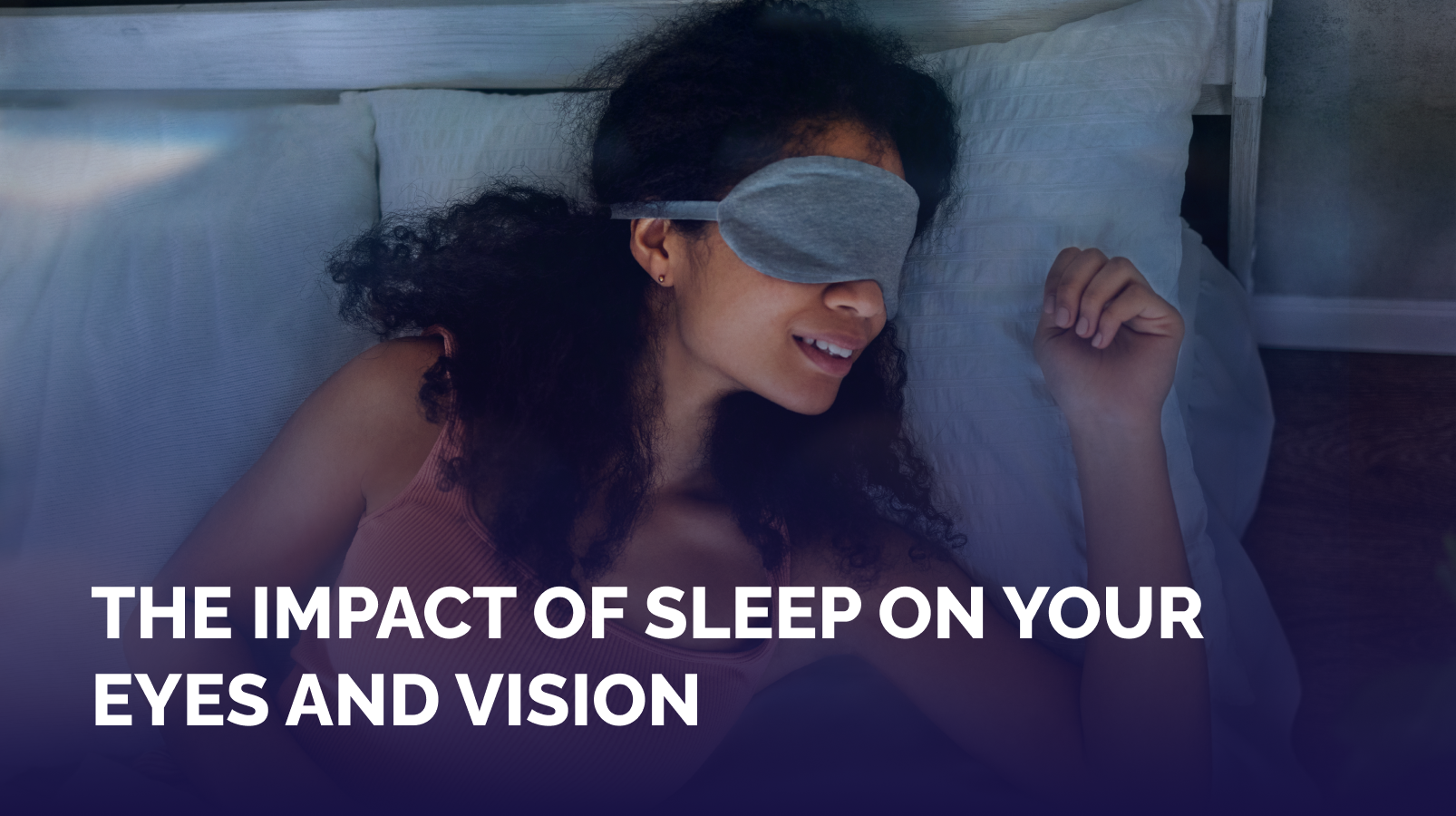
Most people understand that a good night’s sleep is essential for overall health, but many are unaware of the important relationship between sleep and eye health. While you sleep, your body repairs tissues, regulates inflammation, restores energy, and supports countless biological processes, including those that help maintain healthy eyes and clear vision.
When sleep is consistently disrupted or insufficient, your eyes are often among the first parts of the body to show signs of strain. Symptoms such as dryness, irritation, blurred vision, eyelid twitching, and difficulty focusing are commonly associated with poor sleep quality. In some cases, chronic sleep deprivation may even contribute to longer-term eye health concerns.
Understanding the connection between sleep and your eyes can help you protect both your vision and your overall wellbeing.
Why Sleep Matters for Eye Health
During sleep, your eyes benefit from several restorative processes. These include:
- Replenishment of tear film
- Corneal repair and regeneration
- Reduced eye surface inflammation
- Recovery from visual fatigue
- Restoration of neurological processes related to vision
Sleep supports both the eyes themselves and the brain’s ability to process visual information. When sleep is inadequate, these recovery mechanisms can be compromised, leading to a range of visual symptoms.
Tired Eyes Symptoms: What Happens When You Don’t Get Enough Sleep
Most people have experienced tired eyes after a poor night’s sleep. Common symptoms include red eyes, eye irritation, dryness, eyelid heaviness, eye twitching, light sensitivity, difficulty focusing, and blurred vision.
Whilst these symptoms often improve once normal sleep patterns are restored, persistent sleep deprivation can place ongoing stress on the visual system.
Blurry Vision from Lack of Sleep
One of the most common complaints associated with poor sleep is temporary blurred vision. Many people notice that after a restless night:
- Vision appears less sharp
- Focus takes longer to adjust
- Reading becomes more difficult
- Eyes feel fatigued during screen use
This occurs partly because sleep deprivation affects both the ocular surface and the brain’s visual processing systems. If the tear film becomes unstable due to tiredness, light entering the eye may not focus as effectively, resulting in blurred or fluctuating vision.
Some individuals also experience reduced visual concentration and slower focus changes between near and distant objects when they’re overtired.
Dry Eyes from Poor Sleep
One of the strongest links between sleep and eye health involves dry eye disease. Your tear film plays a crucial role in:
- Lubricating the eyes
- Maintaining clear vision
- Protecting against infection
- Supporting corneal health
Poor sleep quality can disrupt the stability of the tear film, contributing to dry, irritated eyes.
A 2024 meta-analysis of 21 studies involving more than 419,000 participants found a significant association between dry eye disease and poor sleep quality. People with dry eye were more likely to experience sleep disturbances and poorer overall sleep quality compared to healthy individuals.
If you suffer from dry eye syndrome, you might be interested in our IPL dry eye therapy service. Find out more here.
The symptoms of dry eyes from poor sleep include:
- Burning sensations
- Grittiness
- Scratchy eyes
- Redness
- Excessive watering
- Blurred vision
- Light sensitivity
The Relationship Between Eye Strain and Sleep
Sleep and eye strain often influence each other. Poor sleep can increase visual fatigue, while prolonged visual activities, particularly screen use, can make it harder to achieve restful sleep.
When you’re tired:
- Eye muscles fatigue more quickly
- Concentration decreases
- Blink rates may change
- Visual discomfort increases
Many people spend long hours using digital devices before bedtime, which can further contribute to both eye strain and disrupted sleep patterns.
Digital Eye Strain and Sleep
Excessive screen use may increase eye fatigue, reduce blinking frequency, contribute to dry eyes, and delay sleep onset. As a result, some individuals enter a cycle in which poor sleep worsens eye symptoms, and eye discomfort further disrupts sleep.
How Common Is Poor Sleep?
Sleep deprivation is more common than people realise. According to data cited by eye health specialists, more than one-third of adults regularly fail to achieve the recommended seven hours of sleep per night. Given how widespread sleep problems are, it is unsurprising that optometrists frequently encounter patients with tired-eye symptoms related to inadequate sleep.
Sleep Disorders and Eye Health
Certain sleep disorders can have a more significant impact on vision and eye comfort. Examples include insomnia, obstructive sleep apnoea, and circadian rhythm disorders.
Research suggests that people with sleep disorders may be at an increased risk of developing dry eye symptoms and other ocular surface issues.
Sleep apnoea in particular has been associated with several eye-related complications, making diagnosis and management especially important.
Can Poor Sleep Cause Long-Term Eye Problems?
Occasional sleep loss is unlikely to cause lasting damage. However, chronic sleep deprivation may contribute to ongoing inflammation, tear film instability, and reduced ocular comfort.
Researchers continue to investigate how long-term sleep disruption may affect conditions such as dry eye disease, glaucoma, and retinal and optic nerve health. While more research is ongoing, maintaining healthy sleep habits is increasingly recognised as an important part of supporting long-term eye health.
Myopia and Poor Sleep
About 34% of people worldwide are nearsighted and counting. Myopia mostly develops during childhood and adolescence, so any efforts to slow it down need to happen during these years.
Sleep deprivation can be particularly harmful to young people’s eyesight. Studies showed that 12- to 19-year-olds who got fewer than 5 hours of sleep per night were 41% more likely to have myopia than those who got more than 9 hours of sleep per night. Note that this doesn’t mean lack of sleep caused their myopia, but it was correlated with reduced sleep.
Mild short-sightedness rarely causes serious problems, but high myopia can increase the risk of developing serious eye conditions like retinal detachment and macular degeneration.
Tips to Protect Your Eyes Through Better Sleep
Improving sleep quality can often help reduce visual symptoms.
- Maintain a consistent sleep schedule
- Limit screens before bed
- Stay hydrated
- Create a comfortable sleep environment
- Schedule regular eye examinations
While occasional tiredness may cause only temporary discomfort, chronic poor sleep can contribute to dry eyes, blurred vision, eye strain, and reduced visual performance. By prioritising healthy sleep habits, staying aware of signs of tired eyes, and attending regular eye examinations, you can help protect both your vision and your overall wellbeing.
At D.I. Blow Opticians, comprehensive eye examinations can help identify the causes of visual discomfort and ensure your eyes remain healthy, whether your symptoms are related to vision changes, dry eye, or lifestyle factors such as sleep quality.