Most people book an eye test because they have noticed changes in their vision or need a new prescription. However, a comprehensive eye exam can reveal far more than whether you need glasses.
The eyes are unique because they are one of the few places in the body where blood vessels, nerves, and connective tissues can be viewed directly without surgery or invasive procedures. This means optometrists can often identify signs of broader health issues during a routine eye exam, sometimes before symptoms appear elsewhere.
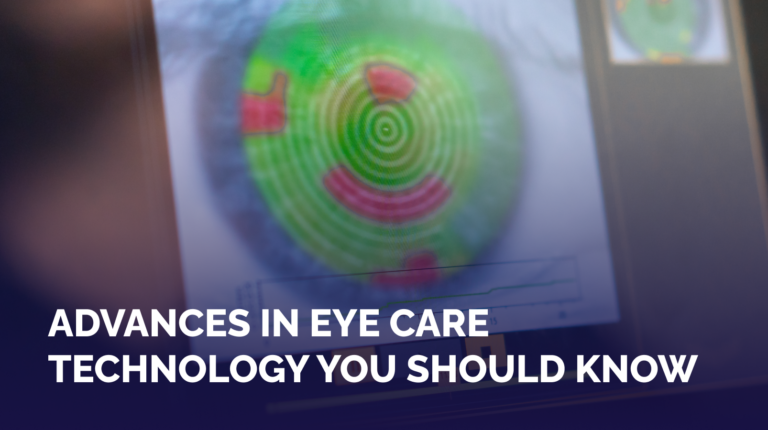
Modern technologies, such as retinal imaging eye tests and OCT eye scans, have further enhanced the ability of eye care professionals to detect subtle changes that may indicate underlying health conditions. For many patients, an eye examination becomes an important part of preventative healthcare rather than simply a vision check.
Why The Eyes Reveal So Much About Your Health
The retina contains a network of blood vessels and nerve tissues that reflect changes occurring throughout the body. Because these structures can be examined directly, optometrists may identify signs of systemic disease long before patients experience notable symptoms.
Research and clinical experience have shown that eye examinations can help identify indicators of:
- Diabetes
- High blood pressure
- High cholesterol
- Cardiovascular disease
- Autoimmune disorders
- Thyroid disease
- Neurological conditions
- Certain cancers
- Stroke risk factors
What Can an Eye Test Detect?
Autoimmune and Inflammatory Conditions
Inflammation within the eye can sometimes be linked to systemic autoimmune diseases. Examples include rheumatoid arthritis, lupus, sarcoidosis, and ankylosing spondylitis. These conditions may cause inflammation that becomes visible during a comprehensive eye exam.
Cancers of Blood, Tissue, or Skin
Numerous cancers can be found during a detailed eye exam. Skin cancers affect the eyelids and outer surfaces of the eye. The most common types of skin cancers are basal cell, squamous cell, and melanoma. Leukaemia and lymphoma can also affect the interior aspect of the eye. Tumours in the breast and other areas can spread to the ocular structures.
Cardiovascular Disease/Heart Disease
The condition of retinal blood vessels often reflects the health of blood vessels elsewhere in the body. Research has shown that retinal vascular abnormalities can be associated with an increased risk of heart disease, stroke, and/or vascular disease.
Diabetes
One of the most well-known conditions that an eye test can detect is diabetic retinopathy.
High blood sugar levels can damage the tiny blood vessels within the retina, causing them to leak, swell, or become blocked. These changes are often visible during a routine eye examination before a patient notices any changes in their vision.
Diabetic eye disease remains one of the leading causes of vision loss among working-age adults, making regular eye examinations particularly important for people living with diabetes.
In some cases, retinal changes observed during an eye examination may even prompt further investigation that leads to a diabetes diagnosis.
Giant Cell Arteritis (GCA)
Giant cell arteritis is a lingering inflammation of medium-sized arteries that affects the arms, upper body, and neck. These same arteries help nourish the eyes and inflammation can result in blurred vision, double vision, or even sudden vision loss in one or both eyes. A dilated eye exam and blood tests can enable an early diagnosis of GCA. Medical treatment can prevent a lifetime of blindness or even early death.
High Blood Pressure
Hypertension affects blood vessels throughout the body, including those within the eyes. Signs that may be visible during an eye examination include:
- Narrowed retinal arteries
- Retinal bleeding
- Swelling of the optic nerve
- Changes to blood vessel structure
Because these changes can occur before symptoms develop, eye examinations can sometimes help identify previously undiagnosed high blood pressure.
High blood pressure is a known risk factor in the onset and/or progression of glaucoma, diabetic retinopathy, macular degeneration, and other diseases.
High Cholesterol
High cholesterol can leave visible signs within the eye. Optometrists may identify cholesterol deposits in blood vessels, corneal arcus (a ring around the cornea), and changes in retinal circulation.
While these findings do not confirm a diagnosis, they may indicate the need for further medical investigation. High cholesterol can be the precursor to a life-threatening stroke and should be taken very seriously.
Medication Toxicities
Several drugs may be toxic to the retina and the optic nerve. Symptoms of toxicity include red, scaling eyelids, red eyes, scratchy corneas or conjunctivitis.
Myasthenia Gravis
Myasthenia gravis is an ongoing autoimmune disorder that causes muscles to weaken and tire easily. The first symptoms of this condition often involve the eyes. The most common sign is drooping eyelids in one or both eyes. Other symptoms include double vision, weakness in the arms or legs, or life-threatening problems with breathing, talking, chewing, or swallowing.
Neurological Conditions
The optic nerve forms part of the central nervous system and can provide clues about neurological health. Changes detected during an eye exam may sometimes indicate multiple sclerosis, brain tumours, increased intracranial pressure, and stroke-related damage.
Although an eye test cannot diagnose these conditions directly, abnormal findings may prompt referral for further investigation.
Sexually Transmitted Diseases (STDs)
Syphilis, herpes, chlamydia, HIV, and gonorrhoea can all affect layers of the eye. These serious conditions are often detected during an eye exam.
Sickle Cell Disease
People with sickle cell disease, a genetic blood disorder, develop stiff, comma-shaped red blood cells that can block blood flow throughout the body. This disease can cause a huge variety of ocular changes, from redness and burst blood vessels on the surface of the eye to severe haemorrhages and even retinal detachment inside the eye.
Sjögren’s Syndrome
This autoimmune disease causes the body’s white blood cells to attack the glands that make tears and saliva. Unsurprisingly, dry eyes are a key feature of this. Other symptoms include burning or stinging in the eyes, blurry vision, and dry mouth.
Thyroid Disease
Thyroid disease can affect the tissues surrounding the eyes and the muscles that control eye movement. Signs may include eye bulging, dry eyes, double vision, and changes in eye muscle function.
Vitamin A Deficiency
Dry eyes and night blindness are both signs of Vitamin A deficiency. Without enough Vitamin A, your eyes cannot produce enough moisture to keep them properly lubricated. Low levels of Vitamin A can also lead to night blindness, by preventing the production of certain pigments needed for your retina to work properly. Vitamin A deficiency is the leading cause of preventable blindness in children worldwide.
The Role of Retinal Imaging Eye Tests
A retinal imaging eye test captures high-resolution photographs of the retina, allowing optometrists to examine and monitor changes over time. Unlike traditional examination methods, retinal imaging creates a permanent record that can be compared at future appointments.
Benefits include:
- Earlier detection of retinal changes
- Monitoring disease progression
- Enhanced patient education
- More accurate long-term comparisons
Retinal imaging can help identify signs of diabetic retinopathy, glaucoma, macular degeneration (AMD), retinal vascular disease, and other conditions affecting both eye health and overall health.
How an OCT Eye Scan Improves Detection
An OCT eye scan (Optical Coherence Tomography) is one of the most advanced technologies available in modern optometry.
OCT uses light waves to create detailed cross-sectional images of the retina and optic nerve, allowing practitioners to view structures beneath the surface that cannot be seen during a standard eye examination.
This technology helps to detect:
- Early glaucoma
- Diabetic macular oedema
- Macular degeneration
- Retinal swelling
- Optic nerve abnormalities
Because OCT scans can reveal microscopic changes before symptoms develop, they play a valuable role in early diagnosis and monitoring.
The Growing Importance of Eye Health Technology
Advances in retinal imaging are transforming healthcare. Researchers are increasingly exploring how retinal scans may help identify wider health risks, including cardiovascular disease, Alzheimer’s disease, anaemia, and other systemic conditions. The emerging field of “oculomics” focuses on using retinal imaging as a non-invasive window into overall health. While these technologies do not replace medical testing, they help healthcare professionals identify risk factors earlier and refer patients for further investigation when necessary.
One of the greatest benefits of routine eye examinations is early detection.
Many serious health conditions develop gradually and may not cause symptoms until significant damage has already occurred. Eye examinations can reveal subtle changes that would otherwise go unnoticed.
According to surveys cited by eye health organisations, approximately one in five people report that an eye care professional identified a health issue unrelated to their vision during an eye examination.
At D.I. Blow Opticians, comprehensive eye examinations are designed not only to assess vision but also to help protect your long-term eye health and support the early detection of wider health conditions whenever possible.