Eye strain is a frequent visual complaint. Whether you spend hours at a screen, read for long stretches, or find yourself squinting in bright light, eye strain can affect comfort, focus, and wellbeing. In this guide, we’ll explore the symptoms, causes, and practical solutions to help you manage eye strain.
What Is Eye Strain?
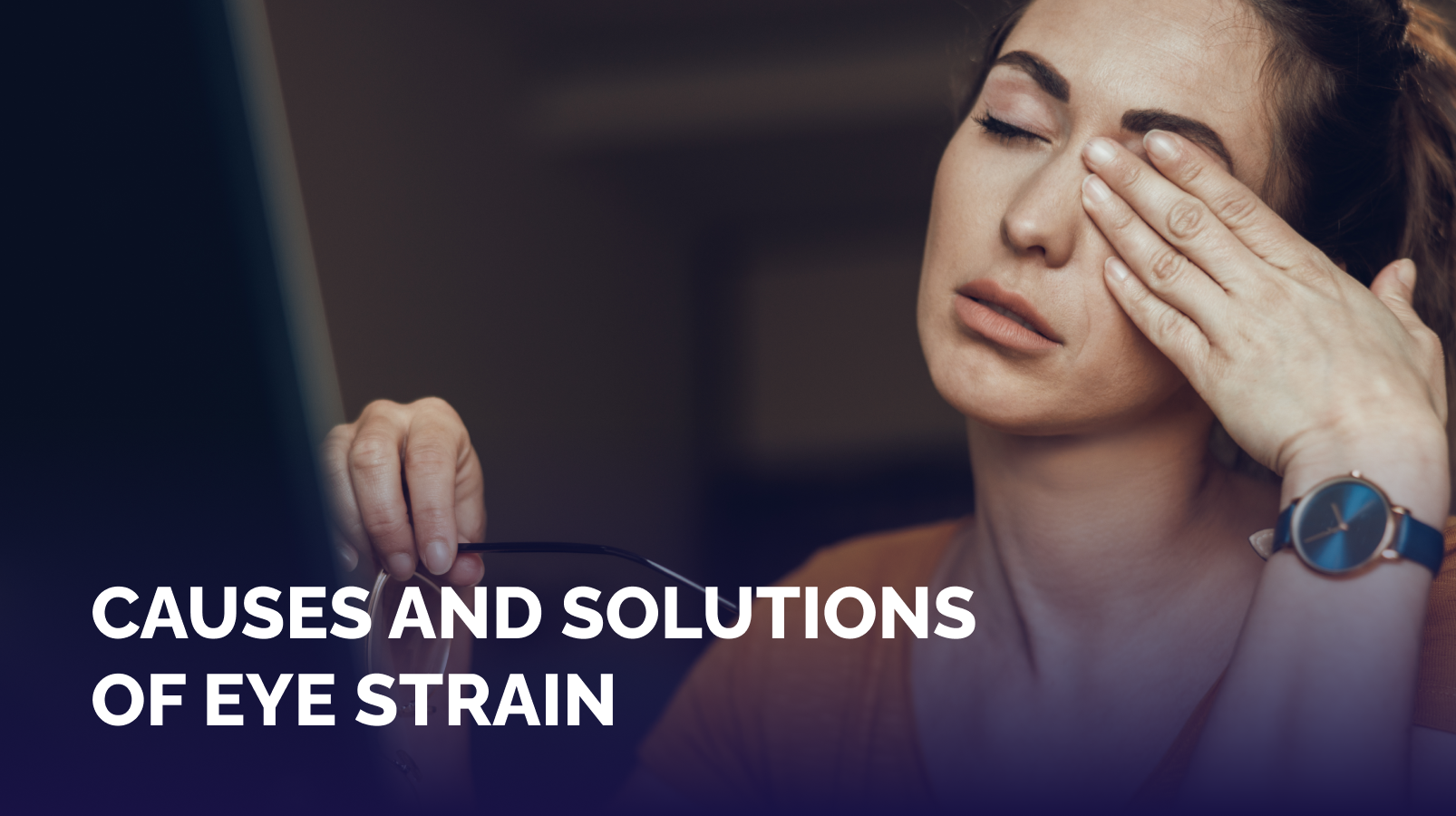
Eye strain, also called asthenopia, refers to a group of symptoms that occur when your eyes get tired from intense use. It’s especially common in today’s digital age, where screens are central to both work and leisure. Eye strain is usually temporary and should ease once your eyes get a chance to rest — it doesn’t cause permanent damage to your eyes or your vision. The good news is, with the right strategies and care, most eye strain can be prevented or significantly reduced.
Common Symptoms of Eye Strain
Recognising eye strain early can help you address it before it affects your productivity and comfort. Symptoms may vary, but often include:
- Headaches: Persistent or recurring headaches after visual tasks like screen use or reading.
- Blurry or Double Vision: Difficulty focusing clearly, especially during or after intensive tasks.
- Dry or Watery Eyes: Screen use often reduces blink rate, leading to dry irritated eyes.
- Eye Soreness or Tension: Burning, itching, or a tired feeling around the eyes.
- Sensitivity to Light: Increased discomfort in bright environments.
- Difficulty Refocusing: Struggling to switch focus between near and far tasks.
- Twitching Eyelids: Involuntary eyelid spasms brought on by tired eye muscles.
- Neck, Shoulder or Back Pain: Poor posture while straining to focus, especially at a screen, can cause tension beyond the eyes themselves.
What Causes Eye Strain?
There’s no single cause of eye strain; rather, several everyday factors contribute to it:
Prolonged Screen Time
Long hours spent in front of computers, tablets, or phones is one of the most common culprits. Concentrating on close-up tasks reduces blinking and stresses your eye muscles. Computer use strains eyes more than reading print material because people tend to:
- Blink less whilst using computers, and blinking is key to moistening the eyes
- View digital screens at less-than-ideal distances or angles
- Use devices that have glare or reflection
- Use devices with poor contrast between the text and the background
Additionally, people who work with electronic screens are prone to eye conditions such as Computer Vision Syndrome, which is common among people who use VDU (Visual Display Units) screens at work. These screens can cause stress and eye issues.
To find out more about Computer Vision Syndrome, read our guide here.
Extended Reading or Close Work
Reading small print or focusing on intricate tasks for long periods can fatigue your eye muscles.
Visual Tasks on the Move
Driving for long distances, particularly in the dark, can cause visual fatigue.
Inadequate Lighting
Too much glare or very dim light forces your eyes to work harder.
Stress and Fatigue
General tiredness can amplify eye strain symptoms, even with normal visual activities.
Understanding Ocular Surface Disease
For some people, persistent eye strain is linked to ocular surface disease — a condition where the surface of the eye dries out more quickly than usual, and doesn’t have enough natural lubrication to repair itself. This makes the eye’s surface film prone to tearing, leaving the eyes feeling drained, gritty and tired, and can make it harder to focus on objects. If eye strain keeps coming back despite good screen habits and regular breaks, this may be a contributing factor worth raising with your optometrist. Our complete guide to dry eye covers the causes, diagnosis and treatment options, including IPL therapy, in much more depth.
Solutions for Relief
Take Regular Breaks
Use the 20/20/20 rule. Every 20 minutes, look at something 20 feet away for 20 seconds. This helps your eye muscles relax and reduces fatigue during long screen sessions.
Optimise Your Environment
- Ensure balanced lighting with minimal glare
- Position your monitor at a comfortable distance (20-24 inches from your eyes) and slightly below eye level (10-15 degrees below)
- Adjust screen brightness and contrast to suit your surroundings
Wear The Correct Eyewear
If you’re already struggling with eye strain, your prescription may need updating or your glasses may not be optimised for screen work.
Keep Your Eyes Hydrated
When focusing, we blink less, which dries out the eyes. Try to blink regularly and use lubricating eye drops if your eyes feel dry or irritated.
Improve the Air Quality of Your Space
Some changes that may help prevent dry eyes include using a humidifier, adjusting the thermostat to reduce blowing air, and avoiding smoke.
Professional Eye Examinations
Routine eye exams are central to healthy vision and comfort. During your appointment at D.I. Blow Opticians, we’ll:
- Evaluate your visual demands and screen habits
- Screen for underlying issues like dry eye or uncorrected prescription changes
- Recommend personalised solutions, including tailored lenses or lifestyle adjustments
When to Seek Expert Care
Most eye strain can be reduced with lifestyle adjustments and appropriate eyewear. However, if symptoms persist despite taking breaks and improving your visual habits, it’s advisable to consult a professional. Persistent strain can sometimes signal underlying conditions, such as dry eye syndrome or vision changes, that require tailored care.
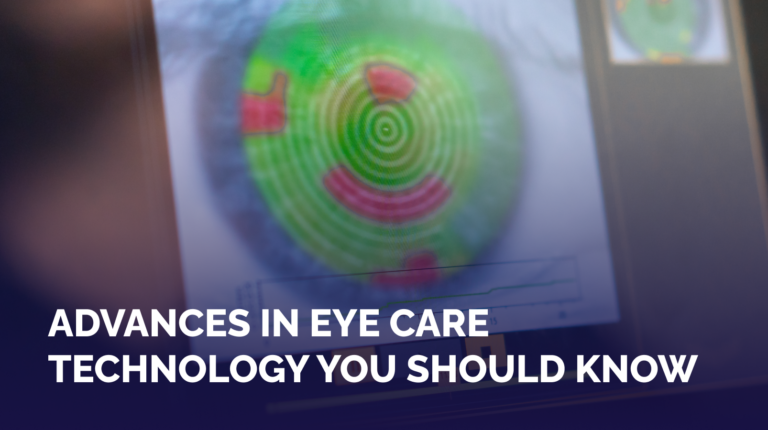
At D.I. Blow Opticians, we use advanced diagnostic tools, including retinal imaging and OCT scanning, as part of our comprehensive eye exams to ensure your eyes are healthy and your vision needs are fully understood.
Eye strain doesn’t have to be an unavoidable part of daily life. With the right approach, combining smart visual habits, ergonomic setups, and professional care, you can reduce discomfort and protect your long-term eye health.
Book an eye examination with D.I. Blow Opticians to get expert advice and solutions tailored to your vision and lifestyle, whether it’s digital strain, updated prescriptions, or specialised lenses that you need.